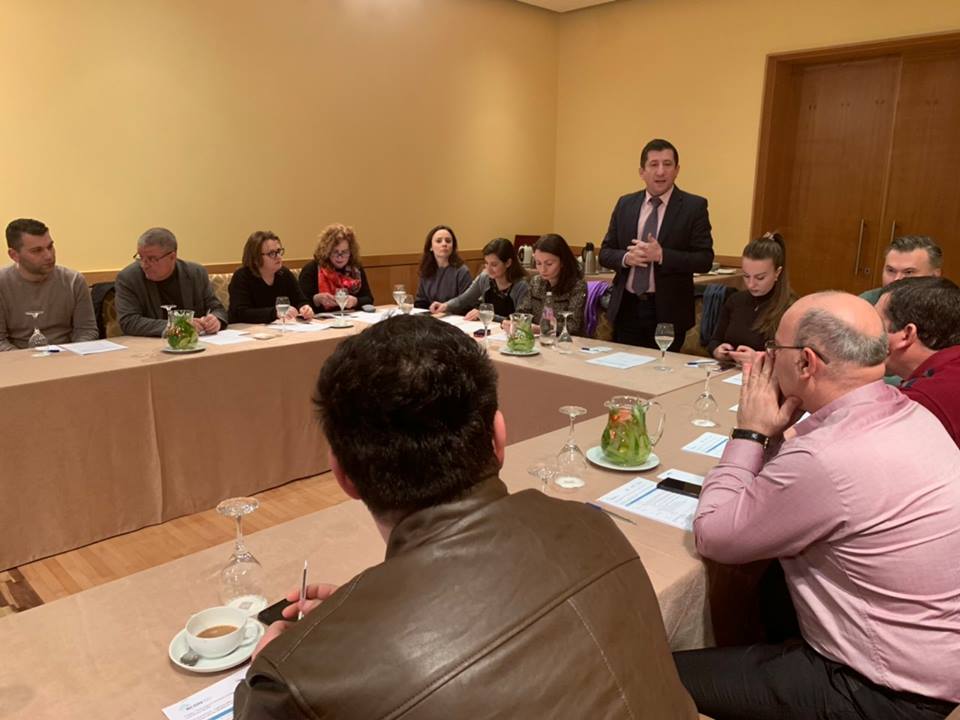
A series of water sector conferences across the region brought together institutions, utilities, experts, and development partners to discuss shared challenges and priorities in water services. Taking place in Serbia, Montenegro, and Bosnia and Herzegovina, these events focused on practical issues related to water resources management, service sustainability, and sector reform.
Water Forum 2025 focused on regional dialogue on water resources and communal hydrotechnics
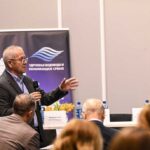
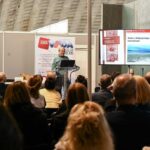
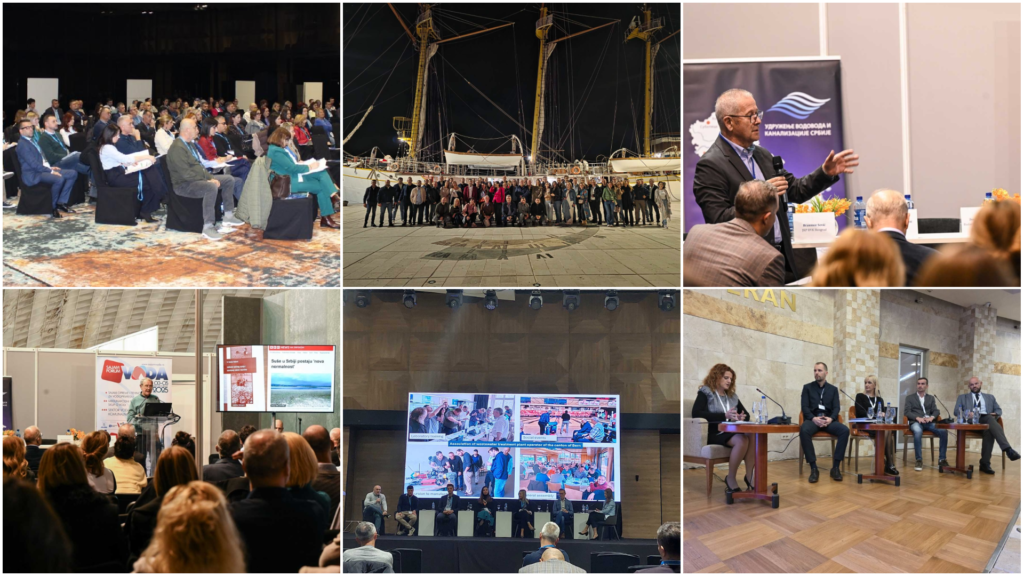
The Water Forum 2025, organized by the Association for Water Technology and Sanitary Engineering (UTVSI), was held from 3 to 5 December 2025 in Belgrade. The Forum gathered water sector professionals, public utility representatives, academic experts, and industry partners to exchange experience and discuss current challenges related to water resources management and communal hydrotechnics.
The three-day event served as a regional platform for dialogue on water supply security, wastewater management, risk management, and innovation in service delivery. Through plenary sessions, panel discussions, technical presentations, and exchanges among practitioners, the Forum addressed both strategic and operational aspects of water services.
Discussions focused on the sustainability of water resources, the resilience of water supply systems under changing climatic conditions, and the use of risk-based approaches to safe drinking water provision. Wastewater management was addressed through exchanges among practitioners and utility representatives, with attention given to operational challenges, capacity development, and peer learning. The Forum also underlined the importance of public dialogue and clear communication with stakeholders as part of effective water sector governance.
A dedicated part of the program focused on innovation and the role of young professionals in the water sector. Early-career experts were given the opportunity to present their work and engage with experienced practitioners, supporting knowledge transfer and professional networking. Company presentations complemented the program by showcasing technological solutions and digital tools for more efficient and sustainable water and wastewater services.
Water Forum 2025 concluded with a shared understanding of the need for integrated approaches in the sector. Participants highlighted the value of regional dialogue and practitioner-oriented platforms in addressing complex water sector challenges and supporting the long-term sustainability of water services.
Montenegro Water Conference highlighted European integration and water sector reform
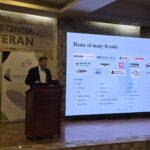
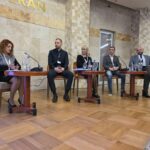
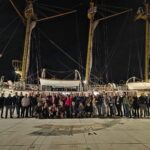
The 5th Montenegro Water Conference was held from 22 to 24 October 2025 in Budva. The Conference was jointly organized by the Association of Waterworks of Montenegro and the Union of Municipalities of Montenegro, and brought together more than 100 participants from Montenegro, the region, and beyond. Participants included representatives of public utilities, municipalities, central government institutions, international organizations, development partners, and the private sector.
The Conference provided space for discussion on current challenges and reform priorities in the water and wastewater sector, with a strong focus on Montenegro’s EU accession process. Topics included policy alignment under Chapter 27 – Environment and Climate Change, investment planning, and coordination between different levels of governance.
The program also highlighted the importance of cooperation among key stakeholders and the use of new technologies to improve sector performance. Sessions looked at international case studies, including experiences from Portugal, and discussed the potential of digital tools and artificial intelligence to reduce water losses, which remain a major issue in Montenegro. Company presentations and networking activities supported practical exchange and professional connections.
The Montenegro Water Conference concluded with a shared recognition that further reform of the water sector is needed to improve quality of life, protect the environment, and meet EU requirements. Participants pointed to the need for better coordination, improved technical documentation, clearer communication with citizens, and continued investment in institutional and human capacities. The Conference confirmed its role as an important event for shaping future directions in Montenegro’s water sector.
AQUASAN Annual Conference addressed key challenges of the water services in Bosnia and Herzegovina

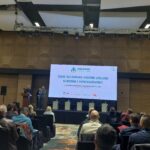

The 6th Annual Conference of the Aquasan Network in Bosnia and Herzegovina was held on 18 and 19 November 2025 in Sarajevo. Organized by the Aquasan Network in BiH, the Conference brought together stakeholders from across the water services sector, including representatives of local governments, public utility companies, sector institutions, development partners, and experts from Bosnia and Herzegovina and the wider region.
Under the theme “What is the state of water services in Bosnia and Herzegovina today?”, the Conference focused on reviewing the current situation in the sector and identifying ways to improve efficiency, sustainability, and service quality. Discussions covered institutional frameworks for water service provision, new models for public utility company operations, asset management, tariff setting, and wastewater management. The program also included examples of good practice and space for exchange among practitioners and decision-makers.
The Conference placed strong emphasis on knowledge exchange and capacity development. Interactive sessions and panel discussions supported peer learning and cooperation, bringing together actors from different administrative levels and institutional backgrounds and supporting a more coordinated understanding of sector challenges and reform needs.
The AQUASAN Annual Conference concluded with shared reflections on the need for continued reform, better coordination among sector actors, and the use of practical solutions suited to the context of Bosnia and Herzegovina. Participants stressed the importance of ongoing dialogue, institutional strengthening, and regional cooperation in improving the efficiency and sustainability of water services.
Together these conferences give a clear commitment across Southeast Europe to addressing water sector challenges through dialogue, cooperation, and practical exchange. While each event reflected its national context, all three pointed to shared priorities: stronger institutions, better use of data and technology, investment in people, and closer regional cooperation. Taken as a whole, these conferences contribute to a more resilient and effective water sector across the region.