RCDN continues to support the work of Local Government Association (LGA) committees across the Western Balkans as key platforms for advocacy, policy dialogue, and coordinated action on water and wastewater issues. Through thematic committees, forums, and targeted capacity development activities, LGAs are strengthening their role in representing municipal interests and contributing evidence-based inputs to national water policies.
A core strength of these initiatives is the close collaboration between LGAs and Associations of Public Utilities (APUCs) ensuring that policy proposals reflect both governance perspectives and the operational realities of service providers.
LGA Committees in Action
North Macedonia – ZELS: Strengthening Municipal Advocacy on Water Issues
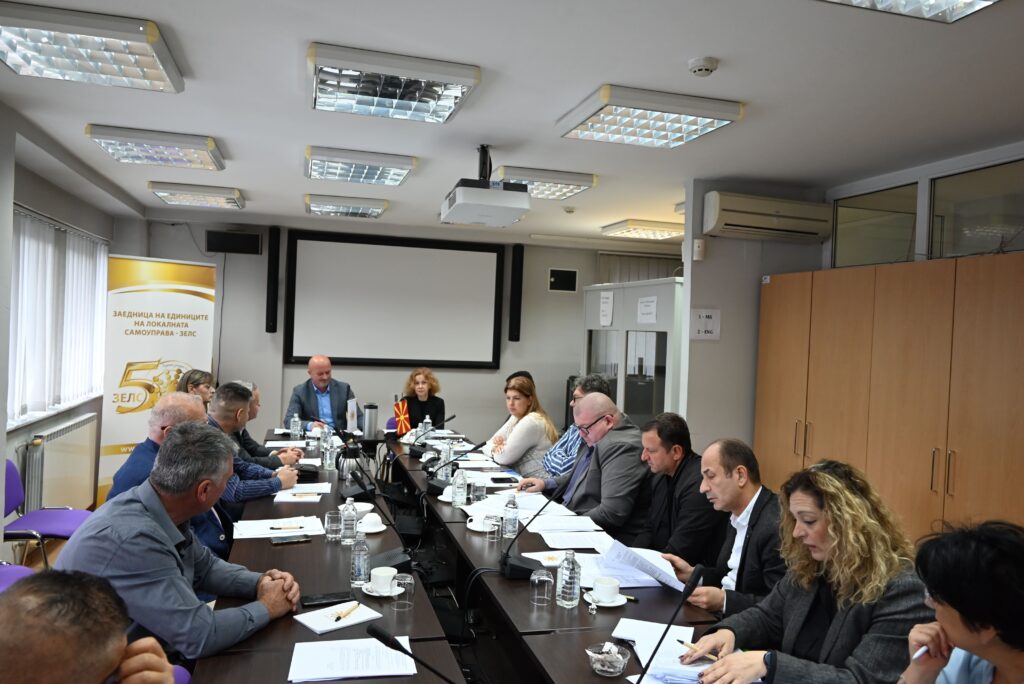
The Association of Local Self-Government Units (ZELS) continued to activate its committees and working bodies addressing communal and water-related issues. Through structured discussions and joint positions, ZELS committee is providing coordinated municipal input on key sector challenges, reinforcing the role of local governments in shaping water and wastewater policies and strengthening cooperation with utility associations.
Albania – NAMA: Launch of the Water Supply and Sewerage Forum
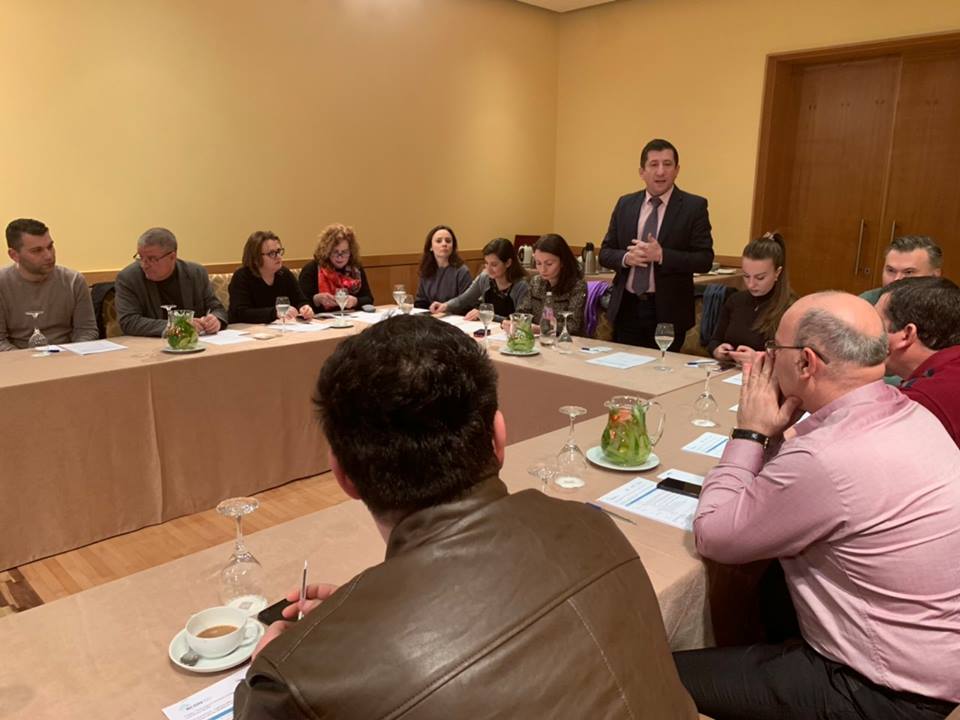
The National Association of Albanian Municipalities (NAMA) successfully held the first thematic meeting of its Water Supply and Sewerage Forum, established within the RCDN project. The Forum creates a permanent platform for dialogue between municipalities and public utilities, supported by the presentation of its structure and SHUKALB’s Position Paper. This collaboration sets a strong foundation for coordinated advocacy, evidence-based policy development, and improved water and wastewater service delivery across Albania.
BIH – Building Advocacy Skills Together
In Mostar, RCDN supported UPKP and the Association of Municipalities and Cities of the Federation of BiH in strengthening advocacy capacities of their core teams and sector commissions. Through a hands-on training, participants worked on real challenges from their daily practice – transforming them into clear advocacy messages, identifying common ground, and exploring coalition-building approaches. The joint engagement of LGAs and utilities reinforced the importance of unified sector voices when engaging decision-makers.
BIH – Empowering Committees for Policy Influence
In Trebinje, RCDN supported the Committee for Communal Issues of the Association of Municipalities and Cities of RS with a tailored training on The Art of Lobbying. Committee members, working alongside experts from NALAS and GIZ, strengthened their understanding of the policy landscape and developed a concrete Advocacy Plan for 2026, positioning the committee as a credible and proactive actor in water and sanitation policy discussions.
Montenegro – UoMM Advocates for Water Services and Local Best Practices
The Union of Municipalities of Montenegro (UoMM) has been actively advocating for improved water sector governance and legal reforms:
-
UoMM called for the urgent amendment of the Law on Communal Activities to ensure clearer roles, better service standards, and stronger accountability in water and wastewater service delivery.
-
Through joint efforts, the Municipality of Budva was recognized for best practice in delivering cleaner seas and improved services—an achievement rooted in effective municipal–utility cooperation. The Municipality of Pljevlja received recognition for responsible water services and improving the quality of life for citizens, demonstrating how local leadership and advocacy can drive real outcomes on water management.
From Committees to Change
These examples show how well-functioning LGA committees, supported by strong partnerships with APUCs, can become powerful drivers of reform. By combining advocacy skills, technical evidence, and joint municipal–utility perspectives, partners are better equipped to:
-
influence national water and wastewater policies
-
advocate for sustainable financing and tariffs
-
support EU-aligned reforms and the Green Agenda
-
improve service delivery for citizens
RCDN remains committed to strengthening these collaborative platforms – ensuring that local voices are heard, policies are grounded in practice, and the water sector continues to move toward sustainable and resilient solutions across the Western Balkans.
Why LGA Committees Matter?
LGA committees are the backbone of effective local advocacy in the water sector. They provide a structured space where municipalities can:
consolidate local needs into clear, collective policy positions
engage utilities and APUCs to ensure technical and operational realities are reflected
strengthen evidence-based advocacy toward national institutions
support transparent, EU-aligned reforms in water and wastewater services
By connecting political leadership with professional expertise, LGA committees help turn local experience into credible policy input and sustainable solutions for communities across the Western Balkans.