Strong water and sanitation services require more than technical expertise they depend on effective dialogue, clear institutional roles and evidence-based policymaking. Across the Western Balkans, Local Government Associations (LGAs), supported by RCDN+, are increasingly taking on this role by creating platforms that enable municipalities to collectively advocate for sector reforms and stronger governance.
Recent advocacy initiatives led by the National Association of Municipalities of Albania (NAMA) and the Union of Municipalities of Montenegro (UoMM) demonstrate how local governments are becoming active contributors to policy dialogue and water sector reform.
Albania: Building a Common Advocacy Agenda for Water Services
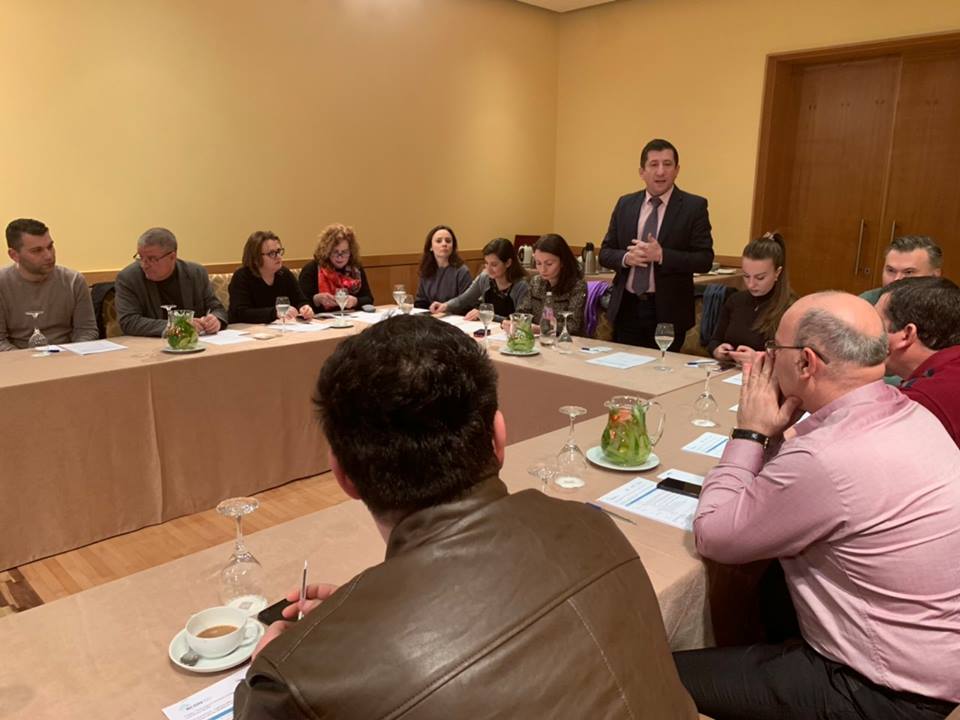
In Albania, NAMA convened the final thematic meetings of its Water Supply and Sewerage (WSS) Forum, bringing together municipalities, water utilities and sector stakeholders to validate the Forum’s advocacy priorities and formally adopt its Advocacy and Action Plan. The Forum also presented the results of a comprehensive Municipal Training Needs Assessment, providing an evidence base for future capacity development initiatives.

The adopted advocacy agenda focuses on strengthening cooperation between municipalities and water utilities, improving governance and clarifying institutional responsibilities, promoting more inclusive investment planning, and increasing municipal involvement in decision-making related to water and wastewater services. These priorities respond directly to challenges identified by local governments and align with Albania’s ongoing water sector reforms and EU integration process.
The WSS Forum has become an important platform for dialogue, enabling municipalities to develop joint positions and engage with national institutions through coordinated, evidence-based advocacy.
Montenegro: Contributing to Water Sector Reform Through Inclusive Dialogue
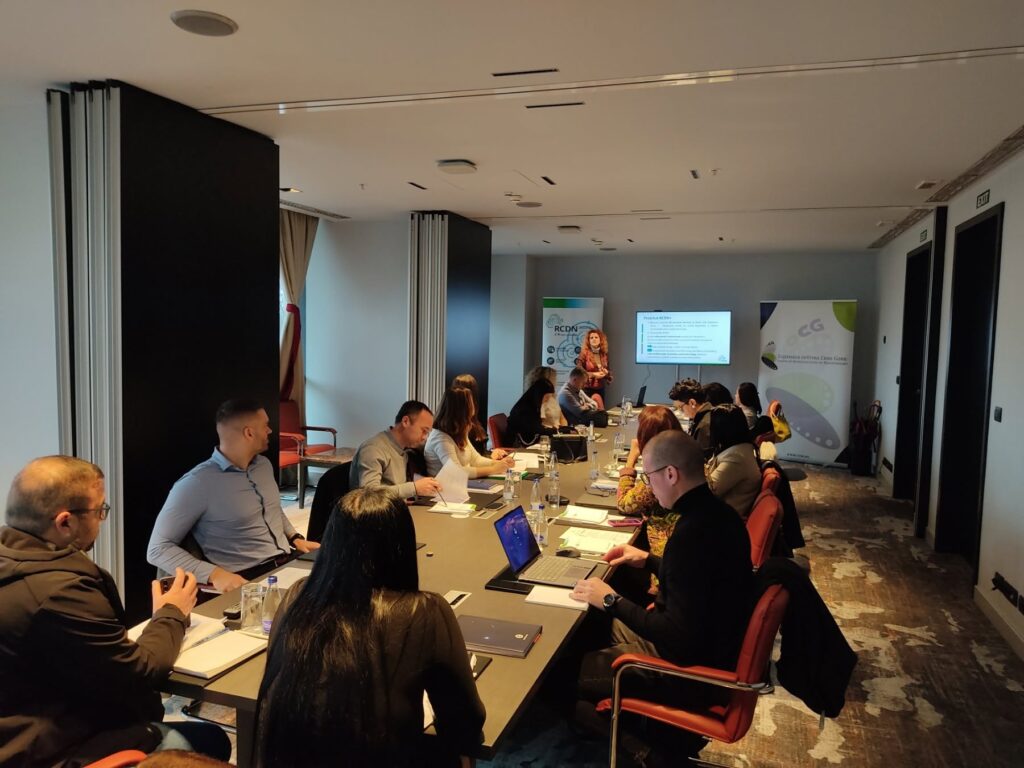
In Montenegro, UoMM facilitated a joint meeting of the Stakeholder Dialogue Platform and the Working Group for the Draft Law on Water Services, bringing together representatives of local governments, ministries, regulators, utilities and other key stakeholders.
The dialogue focused on key elements of the new Law on Water Services, including the organisation of service providers, the responsibilities of municipalities, regionalisation, investment planning, tariff methodologies and regulatory oversight. Through an open and collaborative process, participants discussed proposed legal solutions and identified opportunities to strengthen municipal participation throughout the reform process.
One of the key outcomes of the dialogue was a shared commitment to ensure that municipalities and water service providers remain actively involved in all phases of the reform process, helping shape practical and sustainable legislative solutions. Participants also highlighted the importance of maintaining the Stakeholder Dialogue Platform as a permanent mechanism for consultation and policy dialogue.
Strengthening Advocacy Through Regional Cooperation
Although addressing different national priorities, both initiatives demonstrate the growing capacity of Local Government Associations to represent municipal interests, facilitate constructive dialogue and contribute to evidence-based policymaking in the water sector.
Through RCDN+, partner associations are strengthening their advocacy capacities by establishing sector platforms, facilitating policy dialogue, producing evidence-based recommendations and creating stronger links between municipalities, water utilities and national institutions.
By supporting these processes, RCDN+ contributes to stronger local governance, more inclusive decision-making and better water and sanitation services across the Western Balkans reinforcing the important role of municipalities in advancing sector reforms and supporting countries on their path towards European integration.